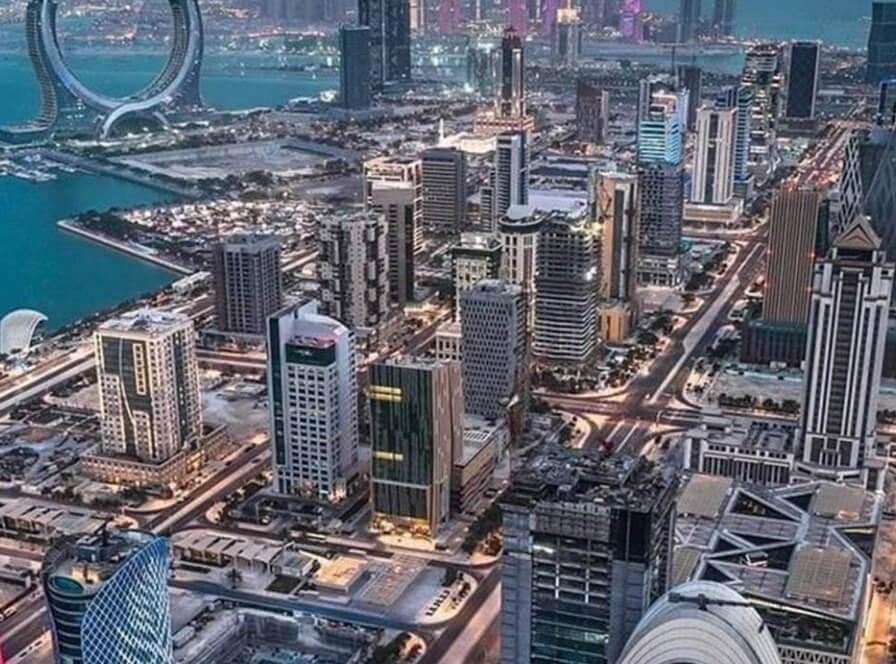
The real estate sector in Qatar has become one of the most attractive property markets in the Middle East. With its strong economy, modern infrastructure, and government initiatives encouraging foreign investment, Qatar offers excellent opportunities for homebuyers and investors alike. Whether you are looking to purchase a residential property, invest in rental real estate, or understand market trends, having a clear understanding of how the Qatari property market works is essential.
Overview of Qatar’s Real Estate Market
Qatar’s property market has experienced steady development over the past decade, driven by economic growth, urban expansion, and international investment. The capital city, Doha, is the center of real estate activity, featuring luxury apartments, commercial towers, waterfront developments, and modern residential communities.
Large-scale development projects and infrastructure investments have significantly increased property demand. New business districts, transport systems, and smart city initiatives have helped boost real estate value in many areas. The government’s focus on diversifying the economy beyond oil and gas has also strengthened long-term market prospects.
Types of Properties Available
Qatar offers a diverse range of property types suited to different budgets and investment goals.
Apartments and Condominiums
Modern apartments are widely available in urban areas. Many residential complexes offer amenities such as gyms, swimming pools, security services, and parking facilities. These properties are popular among expatriates and young professionals.
Villas and Townhouses
Families often prefer villas and townhouses for their spacious layouts and private outdoor areas. These homes are usually located in suburban communities with access to schools, parks, and shopping centers.
Commercial Properties
Office spaces, retail units, and business complexes are common in commercial districts. Investors interested in stable rental income often choose commercial real estate.
Luxury Developments
Qatar is known for high-end residential projects featuring waterfront views, modern architecture, and premium facilities. These properties attract wealthy investors and international buyers.
Foreign Ownership Rules
One of the reasons Qatar’s real estate market is appealing to international investors is its evolving property ownership laws. Non-Qatari citizens are allowed to buy property in designated zones approved by the government. These areas are specifically created to encourage foreign investment while maintaining national regulations.
In certain cases, property ownership may provide residency benefits, especially when the investment value meets specific thresholds. However, laws and eligibility requirements can change, so buyers should consult legal experts before making a purchase.
Property Prices and Market Trends
Property prices in Qatar vary depending on location, property type, and amenities. Prime areas such as waterfront districts or central business zones command higher prices, while developing neighborhoods may offer more affordable investment opportunities.
Recent trends indicate that the market has stabilized after periods of rapid growth. Rental demand remains strong, especially in areas with a high concentration of expatriates. Government initiatives promoting tourism, global business, and infrastructure expansion continue to support property values.
Long-term forecasts suggest steady growth rather than sudden spikes, making Qatar attractive for investors seeking stable returns.
Rental Market Opportunities
The rental market is a major component of Qatar’s real estate sector. A significant portion of the population consists of expatriates who prefer renting instead of buying property. This creates consistent demand for apartments and villas, particularly in urban areas.
Investors can earn reliable rental income by choosing properties in strategic locations such as near business districts, educational institutions, or shopping centers. Furnished apartments and serviced residences are especially popular among professionals and short-term residents.
Costs Involved in Buying Property
Buying property in Qatar involves additional costs beyond the purchase price. These may include:
Legal and registration fees
Real estate agent commissions
Maintenance and service charges
Property insurance
Utility connection fees
Understanding these expenses in advance helps buyers budget effectively and avoid unexpected financial strain.
Advantages of Investing in Qatar Real Estate
There are several reasons why investors are drawn to Qatar’s property market:
Stable economy supported by natural gas revenues
Modern infrastructure and planned urban development
Growing expatriate population
Tax-friendly environment with minimal property taxes
Government initiatives encouraging foreign investment
These factors make real estate a strong option for long-term investment and wealth growth.
Risks and Considerations
Despite its advantages, the real estate market in Qatar also has potential risks. Market fluctuations, regulatory changes, or oversupply in certain areas may affect property prices or rental returns. Investors should analyze market conditions carefully before committing to a purchase.
It is also important to consider long-term financial commitments, especially if buying property through financing or mortgage plans. Maintaining emergency savings can help manage unexpected expenses or temporary income changes.
Tips for Successful Property Investment
If you are planning to invest in Qatar’s real estate market, consider these practical tips:
Research different neighborhoods and compare prices.
Work with licensed real estate agents and legal advisors.
Verify property ownership documents and approvals.
Evaluate potential rental income before buying.
Consider future development plans in the area.
Careful planning and informed decisions can greatly improve your chances of a successful investment.
Future Outlook
Qatar’s real estate sector is expected to continue growing as the country invests in smart cities, tourism infrastructure, and business expansion. Large development projects and urban planning initiatives are likely to create new opportunities for investors and homebuyers.
As Qatar strengthens its position as a global business and tourism destination, demand for high-quality housing and commercial space is projected to remain strong. This positive outlook makes real estate a key part of the nation’s economic future.
Conclusion
Qatar’s real estate market offers a combination of stability, opportunity, and modern living standards, making it attractive for both investors and homeowners. With diverse property options, strong rental demand, and supportive government policies, the sector presents promising long-term potential. By understanding market trends, legal requirements, and financial considerations, buyers can make informed decisions and benefit from one of the Middle East’s most dynamic property markets.